Shape it with tools.
Use the WorldForge authoring direction to assemble content, define environments, and package a world’s identity. A visual path for creators who want to focus on the experience.
Authoring foundation in developmentA voxel universe shaped by its creators. We’re building toward a future where anyone can make their own world—with tools, code, or the help of AI agents.
Creating a custom world often means stitching together an engine, authoring tools, and content pipelines. WorldNexus starts with a voxel sandbox and aims to bring that foundation together—so creators can shape the landscape, the systems, and the experience.
Reusable mechanics, world identity, and content contracts.
Each WorldPack owns its theme, content, and gameplay rules.
A planned path from authoring tools to code and AI assistance.
Our goal is to make world creation approachable without putting a ceiling on what experienced developers can build. These are the creation paths we’re working toward.
Use the WorldForge authoring direction to assemble content, define environments, and package a world’s identity. A visual path for creators who want to focus on the experience.
Authoring foundation in developmentBuild deeper systems through WorldSDK extension contracts. The long-term goal is a documented public SDK and API ecosystem for packs, mods, and creator integrations.
Public SDK & APIs plannedWork toward an idea with agents that plan, draft assets and content, assemble a WorldPack, and use test feedback to refine it. Inspect the output and decide what becomes part of your world.
AI-assisted creation plannedOur vision is a connected creator workflow: AI agents help carry an idea through planning, authoring, assembly, and testing, with fewer manual handoffs between tools. You review the content, see what failed, and choose what to refine or keep.
Describe the setting, how players live in it, and the experience you want. A planning agent would turn that brief into a world outline, content needs, dependencies, and achievable creation steps.
With art and authoring tools, agents could help draft textures, material concepts, voxel models, and item and recipe definitions. Each output stays available to inspect, edit, or replace before it enters your pack.
Planned assistance could compose terrain, biomes, settlements, dungeons, and portal layouts between dimensions. WorldForge would be the content authoring path for assembling these pieces into a coherent WorldPack.
Future agents could draft crafting and economy systems, abilities and progression, creatures, NPCs, quests, and spawn rules. A code authoring agent could propose extension code against WorldSDK contracts and planned public APIs, with each world's themes and resources owned by its WorldPack.
A QA agent would invoke validation tools to check content identities, dependencies, and resource references, then run builds and automated regression tests. Where applicable, save/load and server authority checks would help expose problems before a world is activated.
Agents would report failures and propose revisions, then repeat the relevant checks. You keep final control over assets, content, and code, and approve an inspectable WorldPack for packaging and use.
WorldForge and planned WorldSDK/public API interfaces would connect agents to authoring and QA tools. Creators would review assets, NPC roles, quests, and rules before approving a WorldPack. Development automation and test artifacts exist today; the integrated creator agent workflow is planned.
Our agent vision also extends into play. In-game NPCs are designed as agents whose real-time conversations and decision intents are generated by AI language models (LLMs), guided by their role, goals, and the surrounding world. This runtime direction is planned alongside the creator workflow.
The design gives NPC agents context from nearby players and world events, so they can decide how to respond and what to say in the moment. Imagine a merchant discussing available wares, a villager reacting to a changing situation, or a quest giver adapting a conversation to the player's circumstances. These are intended use cases for the experience we're building toward.
An LLM would generate dialogue and propose decision intent; the authoritative server would validate and execute gameplay actions through approved world rules and contracts. Each WorldPack would define the character's role and available actions, while WorldCore stays independent of any AI provider. The aim is responsive characters within a coherent, shared world.
A world should carry its own meaning. Magic belongs to a fantasy pack. A survival loop belongs to its gameplay pack. The shared foundation stays reusable.
Generic mechanics and stable contracts that worlds can share.
Themed rules, resources, content, and explicit dependencies.
A distinct setting built on content that is validated before activation.
The AI vision follows the same boundaries: human-reviewed content before activation, and NPC agent actions validated against the active world's rules during play.
Survival and Isekai are the current gameplay pack directions. These illustrations show the broader creative possibility; they are concepts, not a catalog of released worlds.
Gather, craft, build, and adapt. A survival world where the landscape sets the challenge.
Illustrative survival conceptMagic, settlements, and adventure. The Isekai direction gives its fantasy rules a home.
Illustrative fantasy conceptImagine remote colonies, unfamiliar resources, and systems designed for life beyond Earth.
Illustrative sci-fi concept · Future possibilityIn-game screenshots from WorldNexus development builds. These are work in progress, not final art or a public release. Open any image to inspect the full capture.
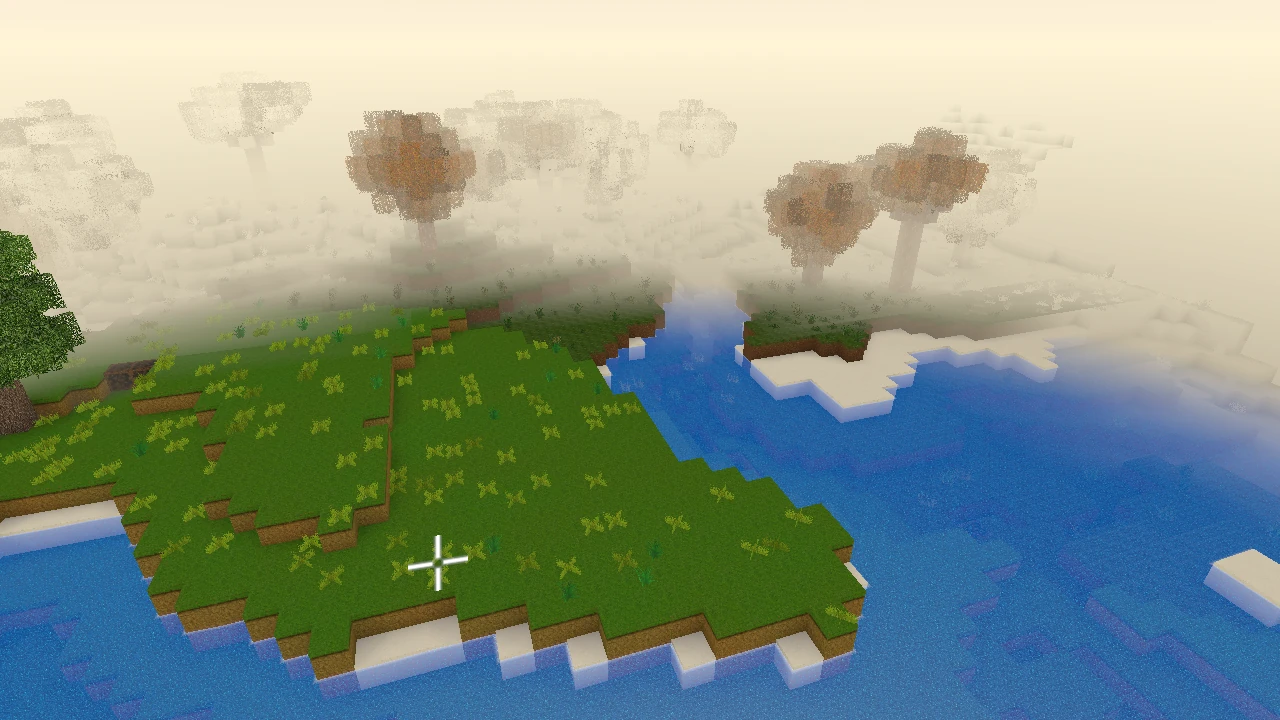
A view across voxel hills and water in a Survival development world. Terrain and visuals are still in progress.
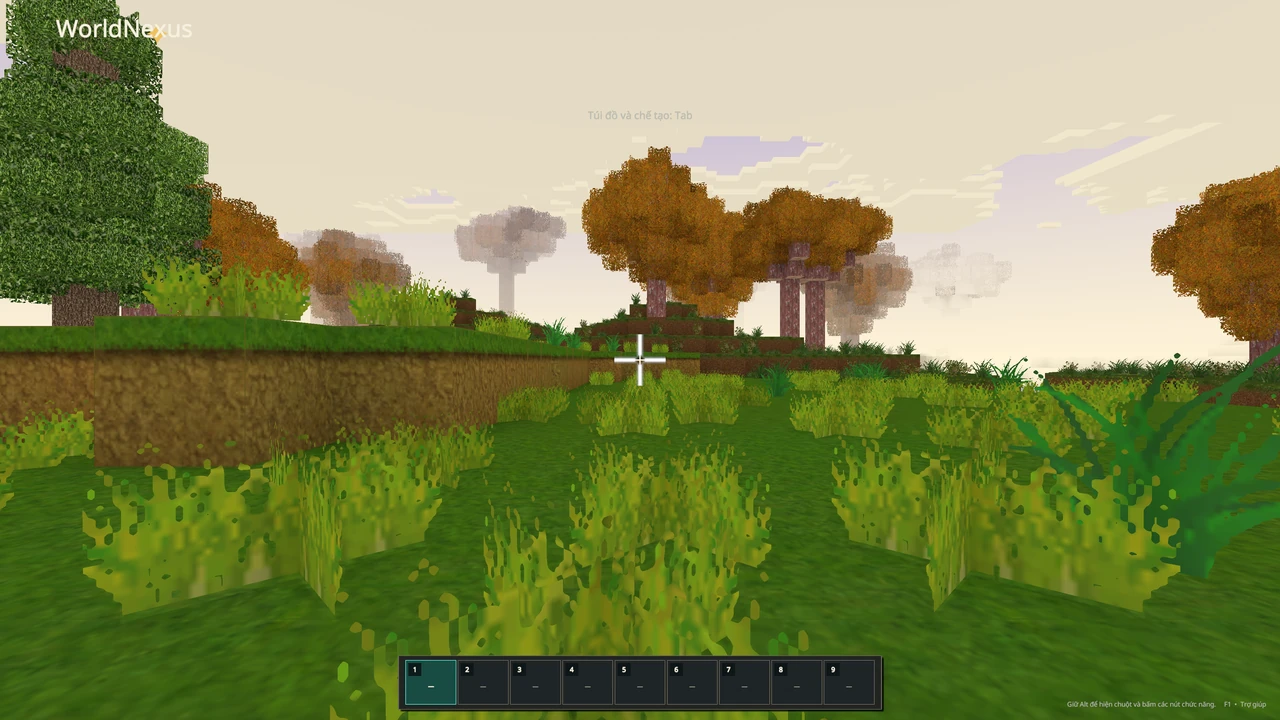
A first-person view of a Survival development world, with grassy terrain, trees and the player hotbar.
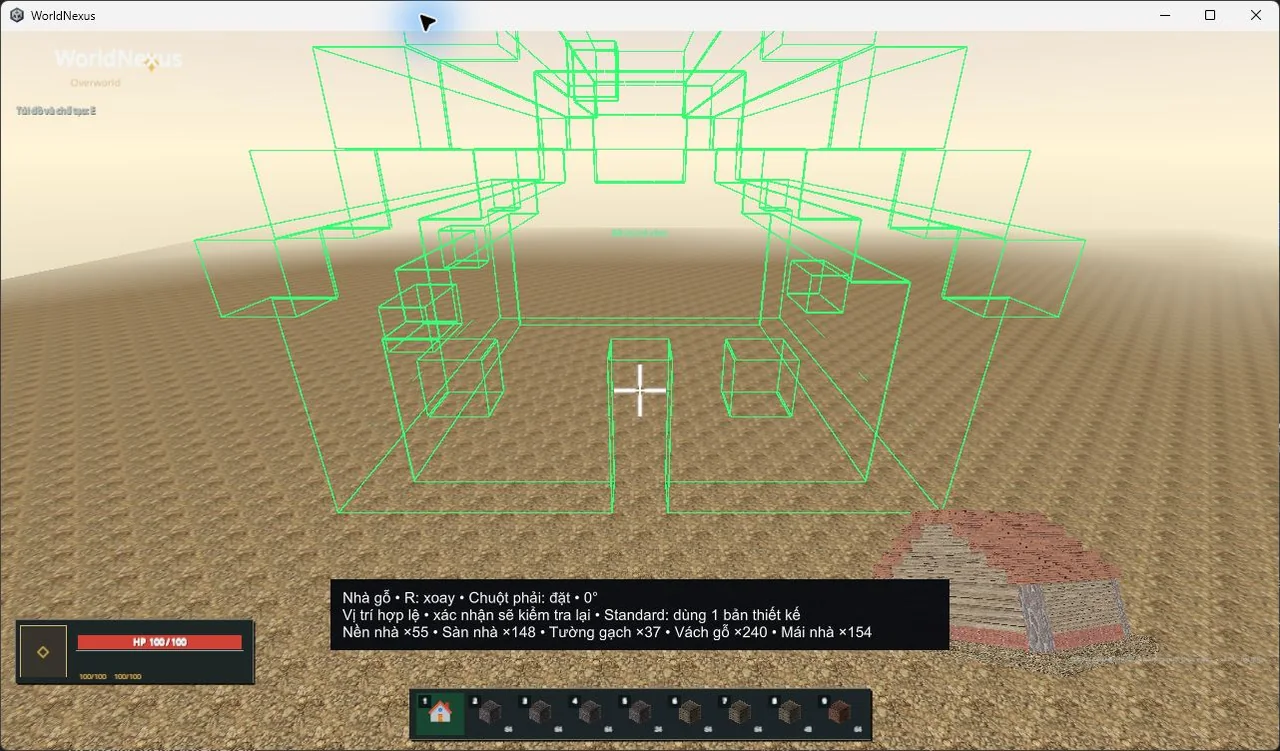
A house placement preview in a staged development scene, with the building interface visible.
WorldNexus is in active development with Unity and C#. The architecture separates reusable mechanics from themed content, with authoring and extension contracts as part of the foundation.
We’re building the playable foundation first, then growing the tools around it. Public creator access, agent-assisted authoring, real-time NPC dialogue and decisions, and a broader API ecosystem are ambitions ahead of us.
This is our direction, not a release schedule. WorldNexus is not publicly launched; public SDK/API access, integrated AI-assisted creation, and LLM-driven NPC dialogue and decisions remain future features.
Nukial is an independent, founder-led project. We’re interested in conversations with startup programs, potential collaborators, and people who care about the future of world creation.
[email protected]